
Essential Tips for a Successful Historic Home Restoration
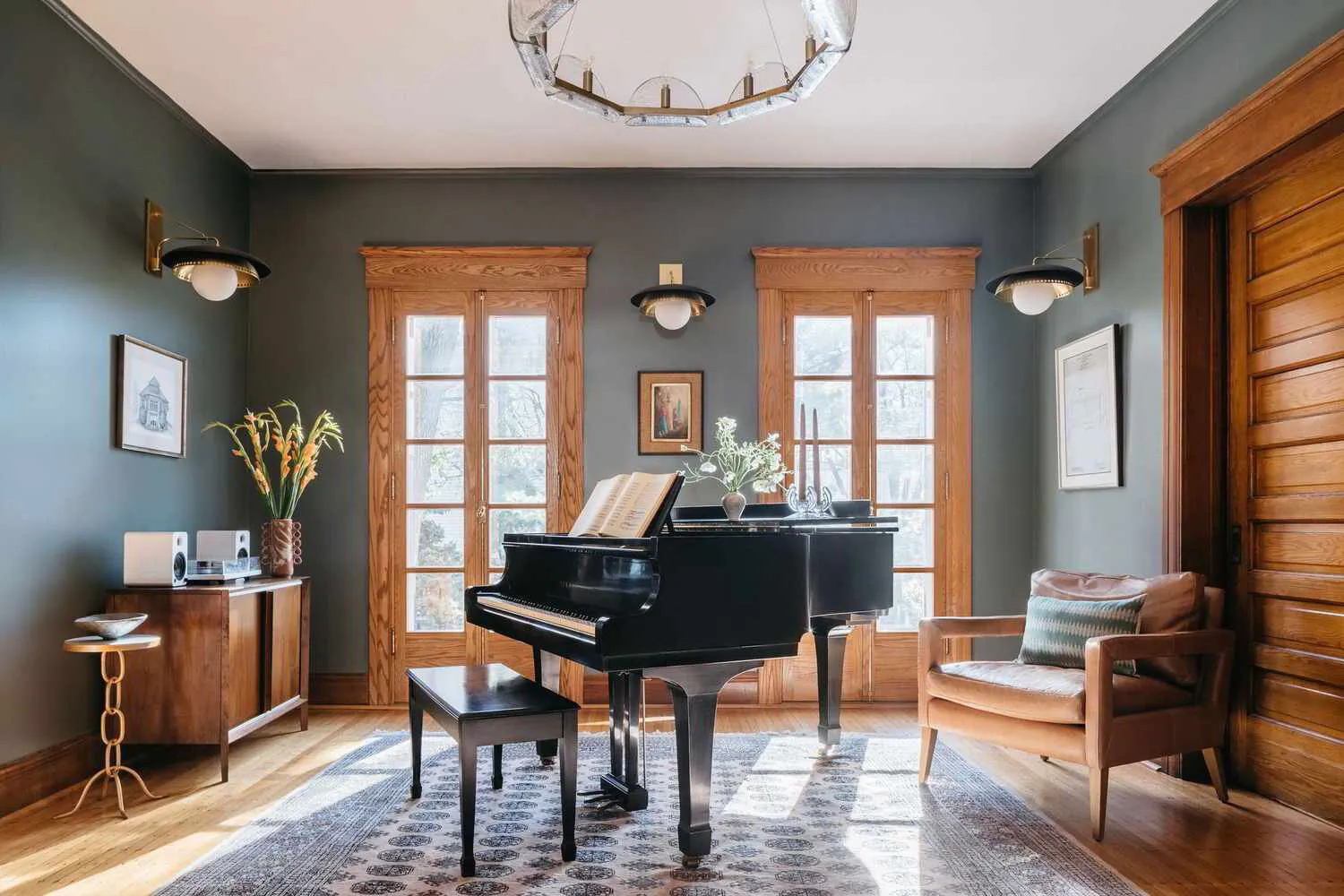
Essential Tips for a Successful Historic Home Restoration
Historic homes in the Hampton Roads region tell stories of our shared past while offering unique architectural character that modern construction often lacks. Whether you're considering purchasing a historic property in Portsmouth, VA, or you're already the proud owner of a heritage home, understanding the intricacies of historic preservation is crucial for maintaining both the property's value and its cultural significance.
Restoring a historic home requires a delicate balance between preserving original features and incorporating modern functionality. Unlike standard home renovation projects, historic restoration demands specialized knowledge, careful planning, and often, navigation through complex regulatory requirements. The process can be both rewarding and challenging, requiring homeowners to work with experienced professionals who understand the unique demands of historic preservation.
Understanding Historic Homes
Historic homes possess distinctive characteristics that set them apart from contemporary construction, reflecting the architectural styles, building materials, and craftsmanship techniques of their respective eras. These properties often feature unique elements such as original hardwood floors, ornate millwork, handcrafted details, and construction methods that are no longer commonly used in modern building practices.
Common challenges in historic home restoration include dealing with outdated electrical and plumbing systems, addressing structural issues that may have developed over decades, and working with materials that may no longer be readily available. Many historic homes were built before modern building codes existed, which can create complications when attempting to bring systems up to current safety standards while maintaining historical integrity.
Understanding local regulations and historic guidelines is essential before beginning any restoration project. In the Hampton Roads area, many historic properties are subject to local historic district regulations or may be listed on the National Register of Historic Places. These designations often come with specific requirements about what changes can be made to the exterior and sometimes interior of the property. Local preservation offices typically review proposed changes to ensure they comply with established permit and compliance guidelines.
The Secretary of the Interior's Standards for the Treatment of Historic Properties provide a framework for appropriate restoration techniques. These standards emphasize preserving the historic character of a property while allowing for necessary updates and improvements. Working within these guidelines helps ensure that restoration efforts enhance rather than diminish the property's historic value and significance.
Assessing Your Historic Home
Conducting a thorough home inspection is the foundation of any successful historic restoration project. This assessment should go beyond a standard home inspection to include evaluation by professionals who specialize in historic properties. A comprehensive evaluation will identify both obvious issues and potential problems that may not be immediately apparent but could become costly surprises during restoration.
Professional inspectors experienced with historic properties understand the unique characteristics and potential issues common to older homes. They can identify signs of structural settlement, evaluate the condition of historic building materials, and assess the functionality of older mechanical systems. This specialized knowledge is crucial because historic homes often require different evaluation criteria than modern construction.
Identifying original materials and features is essential for planning an authentic restoration. Document existing architectural details, hardware, flooring, windows, and other character-defining features through photographs and detailed notes. This documentation serves as a reference throughout the restoration process and helps ensure that any replacement materials or repairs maintain historical accuracy.
Research the history of your property to understand its original design and any significant changes made over time. Local historical societies, city planning departments, and previous owners may have valuable information about the home's evolution. Understanding what features are original versus later additions helps prioritize restoration efforts and guides decisions about what elements to preserve, restore, or potentially remove.
Evaluating structural integrity requires particular attention in historic homes, as building techniques and materials have evolved significantly over time. Look for signs of foundation issues, such as cracks in walls or uneven floors, and assess the condition of load-bearing elements. Historic homes may have structural systems that differ from modern construction, requiring specialized knowledge to evaluate properly.
Consider hiring a structural engineer familiar with historic construction methods to assess major structural elements. This professional evaluation can identify potential safety issues and help prioritize necessary structural improvements. Understanding the structural condition of your historic home is crucial for developing a realistic restoration timeline and budget.
Planning Your Restoration Project
Setting a realistic budget for historic home restoration requires careful consideration of the unique challenges and requirements associated with older properties. Restoration projects typically cost more than standard full home renovations due to the specialized materials, techniques, and expertise required. Factor in potential surprises that may be discovered during the restoration process, as older homes often conceal issues that become apparent only after work begins.
Research costs for specialized materials and services that may be required for your project. Historic restoration often requires custom millwork, specialty hardware, or traditional building materials that can be significantly more expensive than modern alternatives. Obtain detailed estimates from contractors experienced with historic properties to develop a realistic budget framework.
Creating a detailed restoration plan helps ensure that all aspects of the project are considered and properly coordinated. Prioritize work based on structural necessity, building code requirements, and your personal preferences. Generally, structural and mechanical system improvements should be completed before cosmetic restoration work begins.
Develop a phased approach to your restoration if budget constraints make completing the entire project at once impractical. This strategy allows you to spread costs over time while ensuring that critical repairs are addressed first. Plan phases logically to avoid redoing completed work and to maintain the home's livability throughout the restoration process.
Timeline considerations for restoration projects must account for the additional time required for permit approvals, sourcing specialized materials, and the more deliberate pace often necessary for quality restoration work. Historic preservation work cannot be rushed, as attention to detail and craftsmanship are essential for maintaining the property's integrity and value.
Choosing the Right Contractors
Selecting contractors with experience in historic preservation is crucial for achieving successful restoration results. Specialized contractors understand the unique challenges of working with historic properties and are familiar with appropriate restoration techniques, materials, and regulatory requirements. Their expertise can prevent costly mistakes and ensure that restoration work enhances rather than diminishes your property's historic character.
When evaluating potential home remodeling contractors, ask specific questions about their experience with historic properties similar to yours. Request examples of previous restoration projects and ask about their familiarity with local historic preservation guidelines. Inquire about their relationships with suppliers of historic building materials and their experience working with local preservation offices.
Verify that contractors hold appropriate licensing and insurance coverage for historic restoration work. Check references from previous clients and, if possible, visit completed projects to evaluate the quality of their workmanship. Look for contractors who demonstrate respect for historic properties and show genuine interest in preservation principles.
Consider the contractor's communication style and project management approach, as historic restoration projects often require more coordination and flexibility than standard construction projects. The right contractor will keep you informed throughout the process and will work collaboratively to address challenges that arise during restoration.
Professional credentials such as membership in preservation organizations or certifications in traditional building techniques can indicate a contractor's commitment to quality historic restoration work. These qualifications demonstrate ongoing education and adherence to industry best practices in historic preservation.
Restoration Techniques for Historic Homes
Preserving original features should be the primary goal in any historic restoration project, as these elements contribute to the property's character and historical significance. When original materials can be salvaged and restored, this approach typically provides the most authentic and cost-effective solution. Traditional restoration techniques often involve careful cleaning, repair, and refinishing of existing materials rather than wholesale replacement.
Understanding when to use modern techniques versus traditional methods requires balancing preservation goals with practical considerations such as building code compliance and long-term durability. In some cases, modern materials and techniques can provide superior performance while maintaining historic appearance. However, these decisions should be made carefully and preferably in consultation with preservation professionals.
Sustainable home materials play an increasingly important role in historic restoration projects, as environmentally conscious homeowners seek to minimize their environmental impact while preserving historic character. Many traditional building materials and techniques are inherently sustainable, having proven their durability over decades or centuries of use.
When replacement materials are necessary, seek products that match the appearance, dimensions, and performance characteristics of original materials as closely as possible. Specialty suppliers often stock or can reproduce historic building materials, hardware, and architectural details that are no longer commonly available.
Document restoration techniques and materials used throughout your project, as this information will be valuable for future maintenance and any additional restoration work. Proper documentation also adds value to your property by providing a clear record of the restoration approach and materials used.
Handling Permits and Compliance
Understanding the permitting process for historic properties is essential, as restoration projects often require multiple approvals from different agencies. In addition to standard building permits, work on historic properties may require approval from local historic preservation commissions, state historic preservation offices, or other regulatory bodies depending on the property's designation and the scope of proposed work.
Begin the permit application process early, as review and approval for historic properties often takes longer than standard permit applications. Preservation review boards typically meet monthly or quarterly, and their review process may require multiple meetings if revisions to proposed work are needed.
Navigating compliance with local building codes while maintaining historic character requires careful planning and often creative solutions. Modern building codes address safety concerns that may not have been considered when historic homes were originally constructed. Working with experienced professionals helps identify code compliance strategies that minimize impact on historic character.
Building permits for historic properties often require detailed drawings and specifications showing how proposed work will affect historic features. Professional architectural drawings may be necessary even for seemingly minor projects if they affect character-defining elements of the property.
Working with local preservation offices early in the planning process can help avoid costly delays and revisions later. These offices can provide guidance on appropriate restoration approaches and may offer resources for finding qualified contractors and suppliers. Establishing a positive working relationship with preservation staff benefits both your current project and any future work on your historic property.
Finishing Touches and Aesthetic Considerations
Choosing historically appropriate finishes requires research into the styles and materials that would have been used during your home's period of significance. Paint colors, wallpaper patterns, flooring materials, and other finishes should reflect the aesthetic of the home's historic period while meeting your personal preferences and modern lifestyle needs.
Historic paint analysis can reveal original color schemes and help guide authentic restoration choices. Professional paint analysis involves examining microscopic samples of existing paint layers to determine original colors and finishes. This information provides valuable guidance for selecting appropriate restoration colors and finishes.
Landscaping for historic homes should complement the architectural style and period of the property. Research historic landscape design principles and plant materials that would have been appropriate for your home's era. Consider how landscape elements can enhance the historic character of your property while providing modern functionality and ease of maintenance.
Incorporating modern conveniences without losing historic charm requires thoughtful planning and creative solutions. Modern mechanical systems, updated kitchens and bathrooms, and contemporary technology can be integrated into historic homes in ways that preserve character-defining features while improving functionality and comfort.
Energy-efficient upgrades can often be incorporated into historic homes through careful selection of appropriate technologies and installation methods. Storm windows, improved insulation techniques, and high-efficiency mechanical systems can significantly improve energy performance while maintaining historic appearance. However, these improvements should be planned carefully to avoid damaging historic materials or altering the property's character.
Case Studies: Successful Historic Restorations
Pro-Home Builders has successfully completed numerous historic restoration projects throughout the Hampton Roads region, each presenting unique challenges and opportunities. One notable project involved the restoration of a Victorian-era home in Portsmouth, where the team carefully preserved original architectural details while updating mechanical systems and improving energy efficiency.
This particular restoration required extensive research to identify appropriate materials and techniques for preserving the home's ornate woodwork and period-specific architectural features. The project team worked closely with local preservation officials to ensure that all work met historic preservation standards while addressing the homeowners' needs for modern functionality.
Another successful restoration project involved a Colonial Revival home where Pro-Home Builders integrated modern kitchen and bathroom facilities while maintaining the property's historic character. This project demonstrated how careful planning and skilled craftsmanship can achieve modern comfort levels without compromising historic integrity.
Lessons learned from these restorations emphasize the importance of thorough planning, selecting experienced professionals, and maintaining open communication throughout the restoration process. Each project reinforced the value of investing in quality restoration work that preserves historic character while meeting contemporary living standards.
These successful projects demonstrate that historic home restoration, while challenging, can result in beautiful, functional homes that honor their historic heritage while providing modern comfort and convenience for today's homeowners.
Conclusion and Next Steps
Historic home restoration represents a unique opportunity to preserve architectural heritage while creating a distinctive living environment that reflects both historical significance and personal style. The tips for historic home restoration outlined in this guide provide a foundation for approaching these complex projects with confidence and realistic expectations.
Successful restoration requires careful planning, appropriate professional expertise, and a commitment to preserving the historic character that makes these properties special. While the process may be more involved than standard home renovation, the results can be extraordinarily rewarding, creating homes that offer both historical significance and modern functionality.
The investment in quality historic restoration work pays dividends in terms of property value, personal satisfaction, and contribution to community heritage preservation. These projects require patience and attention to detail, but they result in homes that are truly unique and irreplaceable.
For homeowners in the Hampton Roads region considering historic restoration projects, working with experienced professionals who understand both the technical and regulatory aspects of historic preservation is essential for achieving successful results.
Ready to begin your historic home restoration journey?
Pro-Home Builders brings decades of experience in historic preservation and restoration to homeowners throughout Portsmouth, VA, and the surrounding Hampton Roads region. Our Class A licensed, veteran- and Latino-owned company specializes in Historic Renovations & Restorations, combining traditional craftsmanship with modern project management expertise.
Contact Pro-Home Builders today at (757) 295-8702 or visit https://pro-homebuilders.com/ to schedule a consultation and discover how we can help transform your historic property into the home of your dreams while preserving its unique character and heritage. Let our experienced team guide you through every step of your restoration project with the professionalism and attention to detail your historic home deserves.