The Ultimate Guide to Custom Home Construction in Portsmouth, VA
The Ultimate Guide to Custom Home Construction in Portsmouth, VA
Building a custom home represents one of life's most significant investments and exciting opportunities to create a space that perfectly reflects your lifestyle, preferences, and dreams. In Portsmouth, Virginia, homeowners have the unique advantage of working with skilled professionals who understand both the local building landscape and the specific needs of Hampton Roads residents. Custom new home construction Portsmouth VA offers an unparalleled opportunity to design and build a residence that meets your exact specifications while incorporating the latest in energy efficiency, modern design, and functional living spaces.
The journey from initial concept to move-in day involves numerous decisions, careful planning, and collaboration with experienced professionals who can guide you through every step of the process. Whether you're drawn to traditional architectural styles that complement Portsmouth's historic character or prefer contemporary designs that maximize modern conveniences, the right construction partner will help transform your vision into reality. This comprehensive guide will walk you through every aspect of custom home construction, from initial planning and design considerations to selecting the perfect builder and navigating the construction process with confidence and clarity.
Introduction to Custom Home Construction in Portsmouth, VA
Custom home construction represents the pinnacle of homeownership, offering the unique opportunity to create a living space tailored specifically to your family's needs, lifestyle, and aesthetic preferences. Unlike purchasing an existing home or selecting from pre-designed models, custom construction allows you to make every decision, from the foundation layout to the final interior finishes. This level of personalization ensures that your home not only meets your current requirements but can also adapt to future changes in your family's circumstances and preferences.
The importance of choosing the right builder cannot be overstated when embarking on a custom home construction project. A skilled and experienced builder serves as your primary partner throughout the entire process, translating your vision into architectural plans, managing subcontractors and timelines, ensuring compliance with local building codes, and maintaining the highest standards of craftsmanship. The right builder brings expertise in local regulations, established relationships with trusted suppliers and subcontractors, and the project management skills necessary to keep your construction on schedule and within budget.
Homeowners who choose custom new home construction Portsmouth VA can expect numerous benefits that extend far beyond simple personalization. Custom homes typically feature superior construction quality, as builders focus on craftsmanship rather than speed of production. Energy efficiency becomes a priority, with modern insulation, HVAC systems, and appliances that reduce long-term operating costs. Additionally, custom homes often appreciate in value more significantly than tract homes, as their unique features and quality construction appeal to future buyers. The construction process also allows for the incorporation of smart home technology, accessible design features, and sustainable building practices that reflect current lifestyle trends and environmental consciousness.
Understanding Your Vision for a Custom Home
Developing a clear vision for your custom home begins with honest self-reflection about your lifestyle, preferences, and long-term goals. Consider how you currently use your living spaces and identify areas where your existing home falls short of your needs. Do you entertain frequently and require open-concept living areas that facilitate social gatherings? Does your family need dedicated spaces for work-from-home arrangements, hobbies, or exercise? Understanding these fundamental lifestyle requirements forms the foundation for all subsequent design decisions and helps ensure that your custom home truly enhances your daily life.
Architectural style preferences play a crucial role in shaping your home's overall character and curb appeal. Portsmouth's rich architectural heritage offers inspiration ranging from Colonial and Victorian styles to contemporary and transitional designs. Research different architectural styles and create a collection of images that resonate with your aesthetic preferences. Consider how your chosen style will complement the neighborhood character and local climate conditions. Traditional styles often feature timeless appeal and strong resale value, while contemporary designs may offer more flexibility for incorporating modern amenities and energy-efficient features.
Essential considerations for size, layout, and functionality require careful balance between current needs and future flexibility. Evaluate your family's growth patterns and consider how your space requirements might change over the next ten to twenty years. Room count and size should reflect both daily living patterns and special occasions when you might host guests or extended family. Flow between spaces affects daily convenience and entertainment capabilities, making open sight lines and logical traffic patterns important design elements. Storage needs often exceed initial estimates, so plan for adequate closet space, pantry storage, and areas for seasonal items.
Effective communication of your vision requires organization and clarity when working with architects and builders. Create a comprehensive vision board that includes architectural photos, interior design inspiration, material samples, and color preferences. Develop written descriptions of how you envision using each space, including specific activities and furniture arrangements. Be prepared to discuss budget parameters honestly, as this information helps professionals recommend appropriate materials, finishes, and design approaches. Regular communication throughout the design process ensures that your vision remains central to all decisions while allowing for professional input that enhances functionality and construction efficiency.
The Custom Home Planning Process
The custom home planning process begins with site evaluation and preparation, which significantly influences design possibilities and construction costs. Professional site analysis examines soil conditions, drainage patterns, topography, and existing vegetation to determine optimal home placement and foundation requirements. Understanding setback requirements, utility locations, and easements helps establish buildable areas and influences architectural orientation. Environmental considerations such as prevailing winds, solar exposure, and views should inform design decisions that maximize comfort and energy efficiency while creating appealing outdoor living spaces.
Developing a comprehensive budget represents one of the most critical planning steps, requiring honest assessment of financial capabilities and clear prioritization of features and finishes. Construction costs vary significantly based on size, complexity, material choices, and site conditions, making professional cost estimation essential for realistic planning. Include contingency funds of ten to twenty percent to accommodate unexpected conditions or design changes that may arise during construction. Consider long-term operating costs when evaluating options for HVAC systems, insulation, windows, and appliances, as energy-efficient choices often provide substantial savings over time.
Understanding permits and regulations in Portsmouth requires navigation of local building codes, zoning requirements, and approval processes that ensure construction safety and community compatibility. Professional builders familiar with local regulations can streamline permit applications and ensure compliance with all requirements, preventing costly delays or modifications. Building permits typically require detailed architectural plans, structural engineering calculations, and site plans that demonstrate compliance with setback requirements, height restrictions, and environmental regulations. Some neighborhoods may have additional architectural review requirements or homeowner association guidelines that influence design decisions.
Financing custom home construction differs from traditional mortgage processes, often requiring construction loans that convert to permanent mortgages upon completion. These loans typically require larger down payments and detailed construction plans before approval. Working with lenders experienced in construction financing helps ensure smooth fund disbursement throughout the building process. Timeline coordination between loan approval, permit issuance, and construction scheduling requires careful planning to avoid delays that could affect financing terms or builder availability.
Choosing the Right Builder in Portsmouth, VA
Selecting the right custom home builders Portsmouth VA requires thorough research and careful evaluation of multiple factors that influence both construction quality and overall experience. Begin by researching builders' portfolios, examining completed projects that demonstrate experience with your preferred architectural style and project scope. Look for builders who showcase attention to detail, quality craftsmanship, and design versatility across different price ranges and home styles. Online reviews, Better Business Bureau ratings, and local reputation provide insight into customer satisfaction and business practices that affect your construction experience.
Professional credentials and licensing verification ensure that your chosen builder meets industry standards and local requirements. Class A contractors possess the highest level of licensing, demonstrating capability to handle projects of any size and complexity. Insurance coverage, including general liability and workers' compensation, protects homeowners from potential construction-related claims. Bonding provides additional financial protection and demonstrates the builder's financial stability and commitment to completing projects as contracted.
During consultation meetings, ask specific questions that reveal the builder's approach to project management, communication, and quality control. Inquire about typical construction timelines, change order procedures, and warranty coverage for both materials and workmanship. Discuss their subcontractor relationships and quality control processes that ensure consistent standards throughout all construction phases. Understanding their communication style and project management approach helps determine compatibility with your expectations and involvement preferences.
Working with a veteran- and Latino-owned company like PRO-HOME BUILDERS offers unique benefits that extend beyond construction expertise. Veteran-owned businesses often demonstrate exceptional attention to detail, discipline, and commitment to completing projects according to specifications and timelines. These companies frequently prioritize transparent communication and ethical business practices that build trust and confidence throughout the construction process. Supporting diverse business ownership contributes to community economic development while working with professionals who understand the importance of integrity, reliability, and customer satisfaction in building long-term relationships.
Designing Your Custom Home
The design phase represents the creative heart of custom home construction, where your vision transforms into detailed architectural plans that guide the entire building process. Working effectively with architects and designers requires clear communication of your lifestyle needs, aesthetic preferences, and functional requirements while remaining open to professional recommendations that enhance your original concepts. Experienced designers bring valuable expertise in space planning, traffic flow, and building systems integration that can significantly improve your home's functionality and efficiency. Collaborative design processes typically involve multiple revisions and refinements, allowing you to see how different approaches affect both appearance and construction costs.
Incorporating energy-efficient upgrades during the design phase provides the most cost-effective approach to creating a sustainable, comfortable living environment with reduced operating costs. Modern insulation techniques, high-performance windows, and advanced HVAC systems work together to minimize energy consumption while maintaining optimal indoor comfort year-round. Energy-efficient home construction Portsmouth VA takes advantage of local climate conditions and utility incentive programs that can offset initial investment costs. Smart home technology integration allows for precise control of lighting, temperature, and security systems that further enhance efficiency and convenience.
Sustainable material choices contribute to both environmental responsibility and long-term durability while often providing unique aesthetic appeal. Locally sourced materials reduce transportation costs and environmental impact while supporting regional suppliers and craftspeople. Reclaimed wood, recycled metal roofing, and low-impact concrete alternatives offer distinctive character while meeting sustainability goals. Indoor air quality considerations influence choices in paints, adhesives, flooring materials, and insulation that affect family health and comfort for years to come.
Kitchen and bathroom design require special attention to both functionality and luxury, as these spaces significantly influence daily convenience and home value. Kitchen remodeling Portsmouth VA expertise helps create spaces that balance cooking efficiency with entertainment capabilities, incorporating adequate storage, quality appliances, and durable surfaces that withstand heavy use. Bathroom designs should accommodate both daily routines and relaxation needs, with careful attention to lighting, ventilation, and fixture placement that creates spa-like experiences within your home.
Construction Phase: What to Expect
The construction timeline for custom new home construction Portsmouth VA typically spans six to twelve months, depending on home size, complexity, and weather conditions. Understanding this timeline helps set realistic expectations and plan for temporary housing arrangements if necessary. Construction progresses through distinct phases, beginning with site preparation and foundation work, followed by framing, mechanical systems installation, insulation and drywall, flooring and interior finishes, and final inspections. Each phase requires specific weather conditions and inspector approvals before proceeding to subsequent stages.
Clear definition of roles and responsibilities ensures smooth collaboration between all parties involved in your construction project. Your builder serves as the primary project manager, coordinating subcontractors, scheduling inspections, and maintaining quality control throughout all construction phases. Homeowners typically participate in selection meetings for finishes, fixtures, and colors while staying informed about progress through regular updates and site visits. Architects and engineers provide technical support and design clarifications as construction reveals site-specific conditions or installation challenges.
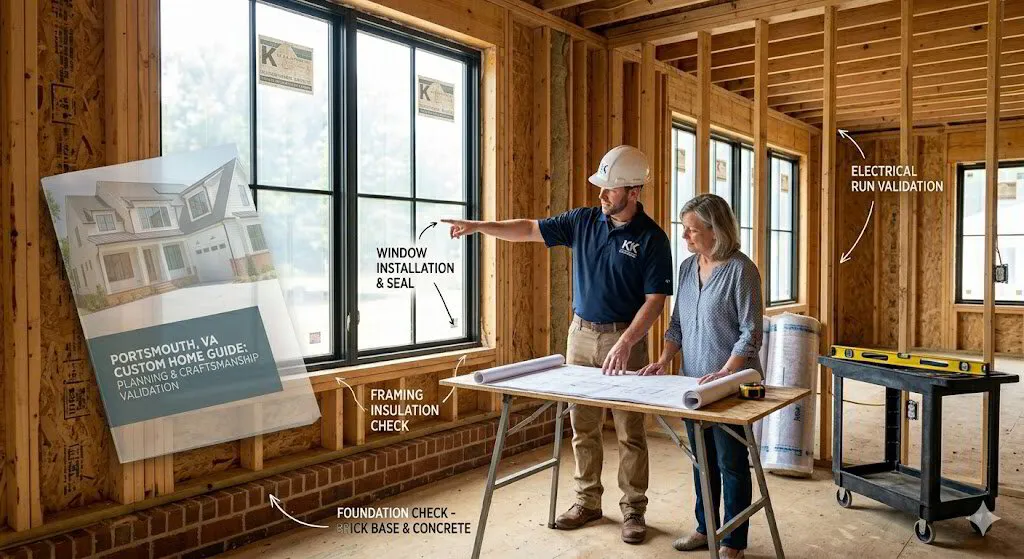
Quality craftsmanship standards should be established early and maintained consistently throughout the construction process. Regular inspections by both builders and independent third parties help identify and address issues before they become costly problems. Documentation of progress through photos and written reports creates accountability and provides reference materials for future maintenance needs. Professional project management includes coordination of material deliveries, subcontractor scheduling, and timeline adjustments that accommodate weather delays or unexpected site conditions.
Communication protocols keep homeowners informed and involved without disrupting construction efficiency. Regular progress meetings, weekly updates, and access to project management software help maintain transparency while allowing builders to focus on construction quality and timeline adherence. Established procedures for addressing questions, concerns, or change requests prevent misunderstandings and ensure that modifications are properly documented and priced before implementation.
Post-Construction: Final Steps and Moving In
Final inspections and approvals represent the culminating steps that transform your construction project into a livable home ready for occupancy. Municipal building inspectors conduct comprehensive reviews of all systems, safety features, and code compliance before issuing certificates of occupancy. These inspections typically cover electrical systems, plumbing, HVAC installation, structural elements, and safety features such as smoke detectors and egress windows. Your builder should accompany you during final walk-through inspections, addressing any punch list items and ensuring that all contracted work meets specifications and quality standards.
Preparing for your new home involves coordination of utility connections, service transfers, and system start-up procedures that ensure everything functions properly from move-in day. Schedule utility connections for electricity, gas, water, and internet services well in advance to avoid delays. HVAC system commissioning ensures optimal performance and efficiency while establishing baseline settings for different seasons. Appliance delivery and installation should be coordinated with flooring completion and final cleaning to prevent damage or delays.
Tips for a smooth transition include systematic planning that reduces stress and helps your family adapt quickly to your new living environment. Create detailed moving timelines that coordinate packing, utility transfers, address changes, and school enrollment if applicable. Document important information about your home's systems, including warranty information, maintenance schedules, and emergency shut-off locations. Establish relationships with local service providers for ongoing maintenance needs such as landscaping, HVAC service, and cleaning services that help maintain your investment's value and appearance.
Understanding warranty coverage and maintenance requirements helps protect your investment and ensures long-term satisfaction with your custom home. Most builders provide comprehensive warranties covering structural elements, mechanical systems, and finish materials for specified periods. Create maintenance schedules for HVAC systems, appliances, and exterior elements that prevent minor issues from becoming major problems. Regular maintenance not only preserves your home's condition but also maintains warranty coverage that protects against unexpected repair costs.
FAQs about Custom Home Construction in Portsmouth, VA
How long does custom home construction typically take in Portsmouth? Most custom homes require six to twelve months for completion, depending on size, complexity, and weather conditions. Larger homes or those with extensive custom features may require additional time. Proper planning and realistic timeline expectations help ensure satisfaction with the construction process.
What permits are required for new construction homes Portsmouth? Building permits, electrical permits, plumbing permits, and HVAC permits are typically required. Some properties may need additional environmental or historical district approvals. Professional builders handle permit applications and ensure compliance with all local requirements.
How much should I budget for a custom home? Construction costs vary significantly based on size, finishes, and site conditions. Professional cost estimation during the planning phase provides accurate budget guidance. Include contingency funds of 10-20% for unexpected conditions or design changes that may arise during construction.
What makes Portsmouth home renovations different from new construction? Renovation projects must work within existing structural limitations and may uncover unexpected conditions that affect timelines and costs. New construction offers complete design freedom and modern building techniques that maximize efficiency and functionality.
Can I incorporate smart home technology during construction? Yes, the construction phase provides the ideal opportunity to install smart home infrastructure, including wiring for automated lighting, security systems, and climate control. Planning these features during design ensures proper integration and functionality.
What should I look for in a construction contract? Detailed contracts should specify materials, timeline, payment schedules, change order procedures, and warranty coverage. Clear communication protocols and dispute resolution procedures protect both parties throughout the construction process.
Conclusion and Next Steps
Custom home construction in Portsmouth, VA represents an extraordinary opportunity to create a living space that perfectly reflects your family's unique needs, preferences, and lifestyle while building equity in one of the region's most desirable locations. Throughout this comprehensive guide, we've explored every aspect of the custom building process, from initial vision development and careful planning through design collaboration, construction management, and final move-in preparation. The key to success lies in choosing experienced professionals who understand both the technical aspects of construction and the personal significance of creating your dream home.
The journey from concept to completion requires patience, clear communication, and trust in your construction team's expertise and commitment to quality craftsmanship. By understanding each phase of the process and maintaining realistic expectations, you can navigate the construction experience with confidence while making informed decisions that enhance both your immediate satisfaction and long-term investment value. Remember that custom home construction is ultimately about creating a space where your family will build memories, find comfort, and experience the pride of homeownership in a residence designed specifically for your unique lifestyle.
Ready to begin your custom home construction journey?
PRO-HOME BUILDERS brings Class A licensing, veteran and Latino ownership, and a commitment to quality craftsmanship that transforms your vision into reality. Our comprehensive services include custom home construction, renovations, and energy-efficient upgrades tailored to Hampton Roads homeowners who value integrity, transparent communication, and professional project management.
Contact us today at (757) 295-8702 or visit https://pro-homebuilders.com/ to schedule your free consultation and take the first step toward building your dream home in Portsmouth, VA.