
A Comprehensive Guide to Green Building Materials for Homes: Eco-Friendly Choices for Your Next Project
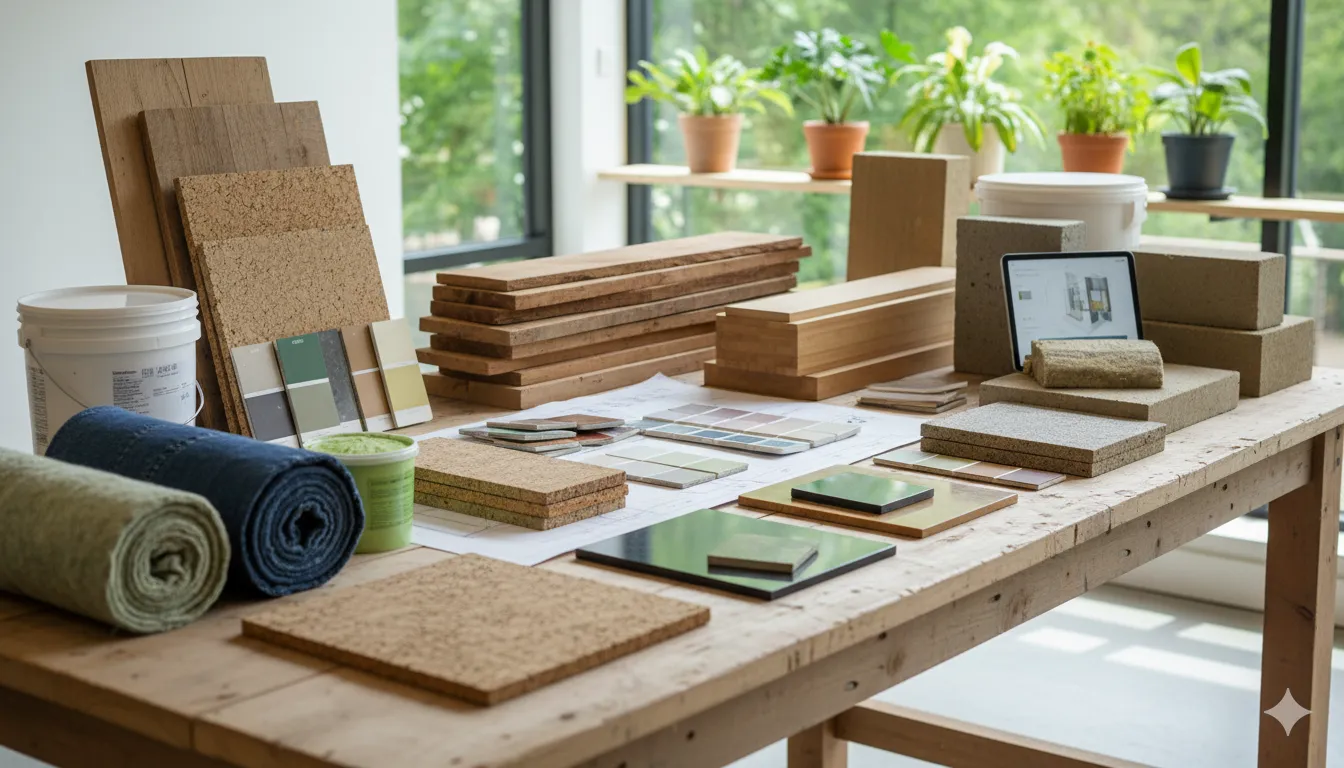
Green building materials for homes represent a revolutionary approach to construction that
prioritizes environmental responsibility without compromising quality or aesthetics. These
materials are sourced, manufactured, and designed to minimize their environmental impact
throughout their entire lifecycle—from production to installation to eventual disposal or recycling.
The benefits of incorporating sustainable building materials into your home construction or
renovation project extend far beyond environmental stewardship. Homeowners who choose
eco-friendly home renovations often experience improved indoor air quality, reduced energy
costs, enhanced durability, and increased property value. These materials are engineered to
work in harmony with natural systems, creating healthier living spaces while reducing your
home's carbon footprint.
As environmental consciousness continues to grow among Hampton Roads homeowners, the
demand for green home construction has surged. Whether you're planning a complete home
renovation, kitchen remodeling, or custom home construction, understanding your options for
environmentally friendly materials is crucial for making informed decisions that align with your
values and long-term goals. This comprehensive guide will explore the various types of
sustainable materials available, compare them with traditional options, and provide practical
insights for incorporating them into your next project.
Types of Green Building Materials
The world of sustainable building materials offers an impressive array of options for every aspect
of home construction and renovation. Understanding these materials helps homeowners make
informed decisions that benefit both their families and the environment.
- Sustainable Wood and Composite Materials
Bamboo flooring and reclaimed wood represent two of the most popular sustainable
alternatives to traditional lumber. Bamboo grows rapidly, reaching maturity in just three to
five years compared to decades for hardwood trees. It offers exceptional durability and
natural antimicrobial properties, making it ideal for flooring and cabinetry. Reclaimed wood,
sourced from old barns, factories, or demolished buildings, provides unique character while
preventing valuable timber from entering landfills. These materials often feature distinctive
grain patterns and weathered textures that add charm to any renovation project.
- Low-VOC Paints and Finishes
Volatile Organic Compounds (VOCs) found in traditional paints can contribute to poor indoor
air quality and health issues. Low-VOC and zero-VOC paints eliminate these concerns
while providing excellent coverage and color retention. These environmentally friendly
materials are particularly important in bathroom transformations and kitchen remodeling
projects where proper ventilation is essential. Modern formulations offer the same durability
and aesthetic appeal as conventional paints without the harmful chemical emissions.
- Energy-Efficient Insulation Materials
Green insulation options include recycled denim, sheep's wool, cork, and cellulose made
from recycled paper. These energy-efficient building materials provide superior thermal
performance while being safer to install and healthier for occupants. Recycled denim
insulation, for example, contains no formaldehyde and is easy to handle without protective
gear. These materials excel in basement and attic renovations where proper insulation is
crucial for energy efficiency.
- Solar Energy Systems and Smart Technologies
Solar panels, energy-efficient windows, and smart home systems represent the cutting
edge of green building technology. These systems reduce reliance on fossil fuels while
providing long-term cost savings. Modern solar installations can be seamlessly
integrated into roof designs, while smart thermostats and lighting systems optimize
energy consumption automatically.
- Water-Saving Fixtures and Systems
Low-flow toilets, efficient showerheads, and greywater recycling systems significantly
reduce water consumption. These fixtures maintain performance while conserving
this precious resource, making them ideal for comprehensive bathroom transformations
and whole-home renovations.
Comparing Traditional vs. Green Building
Materials
Understanding the differences between conventional and green building materials for homes
helps homeowners make informed decisions that align with their priorities and budgets.
- Environmental Impact Analysis
Traditional building materials often require energy-intensive manufacturing processes
and may contain harmful chemicals that off-gas over time. Conventional insulation
materials like fiberglass can irritate skin and respiratory systems during installation, while
standard paints release VOCs that contribute to indoor air pollution. In contrast,
sustainable building materials are designed to minimize environmental harm throughout
their lifecycle. They typically require less energy to produce, generate fewer emissions,
and often incorporate recycled content that diverts waste from landfills.
The carbon footprint comparison reveals significant advantages for eco-friendly
materials. For instance, bamboo flooring sequesters carbon as it grows, making it
carbon-negative, while traditional hardwood harvesting can contribute to deforestation.
Similarly, recycled steel requires 75% less energy to produce than virgin steel,
dramatically reducing greenhouse gas emissions associated with structural
components.
- Durability and Maintenance Considerations
Many homeowners assume that green materials sacrifice durability for environmental
benefits, but this perception is largely outdated. Modern sustainable materials often
outperform their traditional counterparts in longevity and maintenance requirements.
Bamboo flooring, for example, is 25% harder than red oak and more resistant to
moisture damage. Recycled steel maintains the same strength characteristics as
virgin steel while offering superior corrosion resistance in many applications.
Low-maintenance characteristics of many green materials translate to long-term
savings and convenience. Natural materials like cork flooring naturally resist mold,
mildew, and insects, reducing the need for chemical treatments. Similarly, reclaimed
wood has already weathered decades of environmental exposure, making it more
stable and less prone to warping than fresh lumber.
- Cost Implications and Long-Term Savings
Initial costs for environmentally friendly materials can be higher than traditional
options, but this upfront investment typically pays dividends through reduced utility
bills, lower maintenance costs, and increased property values. Energy-efficient
building materials can reduce heating and cooling costs by 20-40%, while
water-saving fixtures can decrease utility bills by hundreds of dollars annually.
The return on investment for green materials often extends beyond direct savings.
Homes featuring sustainable materials command premium prices in the real estate
market, with studies showing increases of 3-7% in property values for green-certified
homes.
Case Studies: Green Building Materials
in Action
Real-world applications of sustainable building materials demonstrate their practical benefits and
aesthetic appeal in Hampton Roads homes.
- Historic Renovation Success Story
A recent historic renovation project in Portsmouth showcased the perfect marriage of
preservation and sustainability. The homeowners chose reclaimed heart pine flooring
that matched the home's 1920s character while incorporating modern low-VOC
finishes. Sheep's wool insulation was installed in walls to improve energy efficiency
without compromising the home's historical integrity. The project resulted in a 35%
reduction in energy costs while maintaining the home's authentic charm.
- Modern Kitchen Transformation
A comprehensive kitchen remodeling project featured bamboo cabinetry, recycled
glass countertops, and energy-efficient LED lighting. The homeowners reported
improved air quality due to formaldehyde-free materials and zero-VOC paints. The
bamboo cabinetry proved more durable than expected, showing minimal wear after
two years of heavy use. Energy savings from efficient appliances and lighting
reduced monthly utility bills by $150.
- Whole-Home Energy Efficiency Upgrade
A complete home renovation incorporated solar panels, high-performance windows,
and cellulose insulation made from recycled newspapers. The combination of
energy-efficient building materials resulted in net-zero energy consumption, with
the home producing as much energy as it consumed annually. The homeowners
eliminated their electricity bills entirely while creating a healthier indoor environment
for their family.
- Bathroom Transformation with Water Conservation
A bathroom renovation featured low-flow fixtures, recycled tile, and natural
ventilation systems. Water consumption decreased by 40% while maintaining
luxurious functionality. The use of natural materials created a spa-like atmosphere
that enhanced the home's resale value significantly.
These case studies demonstrate that green building materials for homes deliver tangible benefits
in comfort, cost savings, and environmental impact while maintaining the high-quality aesthetics
that discerning homeowners expect.
How to Incorporate Green Building
Materials in Your Project
Successfully integrating sustainable building materials into your renovation or construction project
requires careful planning and professional expertise.
- Research and Material Selection Process
Begin by identifying your priorities—whether focusing on energy efficiency, indoor air
quality, or environmental impact. Research certifications like GREENGUARD, Energy
Star, and Forest Stewardship Council (FSC) to ensure materials meet rigorous
environmental standards. Consider the specific requirements of your project type,
whether it's a kitchen remodeling, bathroom transformation, or complete home
renovation.
Create a comprehensive list of potential materials for each aspect of your project,
comparing environmental benefits, performance characteristics, and costs. Factor in
long-term savings when evaluating initial investments, as many eco-friendly materials
provide significant returns through reduced utility bills and maintenance costs.
- Professional Partnership Benefits
Working with experienced contractors like Pro-Home Builders ensures proper
selection, installation, and integration of green materials. Professional expertise
becomes crucial when coordinating different sustainable systems—such as ensuring
proper ventilation with low-VOC materials or integrating solar systems with
energy-efficient building envelopes. Licensed contractors understand local building
codes and can navigate permit requirements for energy-efficient upgrades.
Professional installation also maximizes the performance benefits of green
materials. Proper installation techniques ensure that insulation performs optimally,
solar systems operate efficiently, and sustainable materials achieve their expected
lifespan and performance characteristics.
Conclusion and Next Steps
Green building materials for homes represent the future of residential construction and renovation,
offering compelling benefits that extend far beyond environmental stewardship. From improved
indoor air quality and reduced energy costs to increased property values and enhanced durability,
sustainable materials provide tangible advantages for Hampton Roads homeowners. The
comparison between traditional and eco-friendly options clearly demonstrates that choosing green
materials is both an environmentally responsible and financially sound decision for your next
project.
Ready to transform your home with sustainable building materials? Pro-Home Builders specializes
in integrating environmentally friendly materials into custom home construction, renovations, and
remodeling projects throughout the Hampton Roads region. Our experienced team understands
the unique requirements of green building materials and can help you navigate the selection
process while ensuring optimal performance and aesthetic appeal. Contact Pro-Home Builders
today at (757) 295-8702 or visit https://pro-homebuilders.com/ to schedule your consultation and
discover how sustainable materials can enhance your next home improvement project.