Energy-Efficient Home Renovations: Transform Your Space While Saving Money
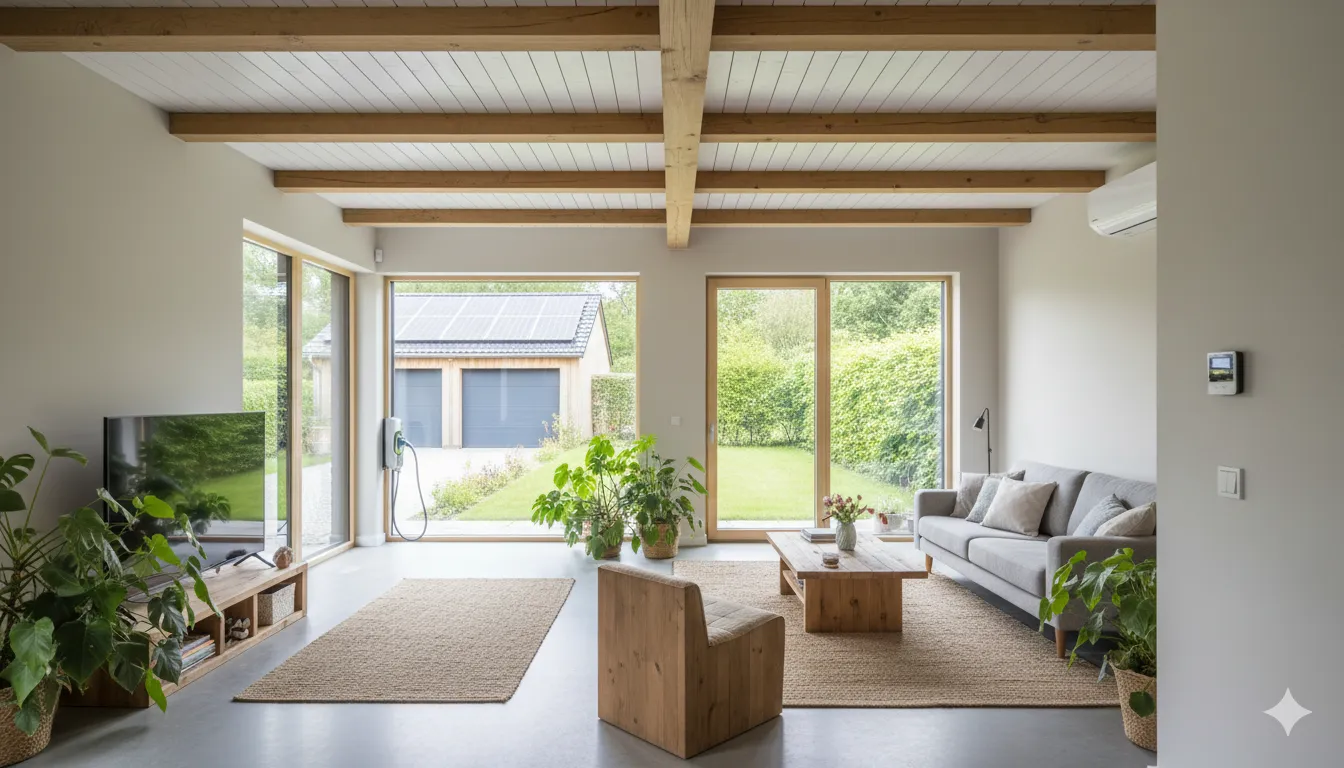
Energy-efficient home renovations represent a strategic approach to home improvement that
combines aesthetic enhancement with long-term financial benefits. These renovations focus
on upgrading your home's systems, materials, and features to reduce energy consumption
while maintaining or improving comfort and functionality. Unlike traditional renovations that
primarily address visual appeal, energy-efficient home renovations consider the entire home as
an integrated system where every component works together to minimize energy waste.
The benefits of choosing sustainable home renovations extend far beyond monthly utility savings. Homeowners in the Hampton Roads region are discovering that eco-friendly upgrades
significantly increase property values, improve indoor air quality, and create more comfortable
living environments year-round. These renovations also contribute to environmental
conservation by reducing your home's carbon footprint. From upgrading insulation and windows
to installing energy-efficient appliances and smart home technology, these improvements
transform your space into a modern, efficient home that saves money while supporting
sustainable living practices for years to come.
Comparing Traditional vs. Energy-Efficient
Renovations
When evaluating renovation options, understanding the fundamental differences between
traditional and energy-efficient approaches helps homeowners make informed decisions.
Traditional renovations typically focus on cosmetic improvements, updating outdated fixtures, or
expanding living spaces without considering energy performance. While these projects enhance
visual appeal and functionality, they often miss opportunities to reduce long-term operating costs.
Energy-efficient renovations take a holistic approach, examining how each upgrade impacts
overall home energy efficiency. Initial costs for green remodeling projects are typically 10-20%
higher than conventional renovations due to premium materials and specialized installation
techniques. However, homeowners recover these additional expenses through reduced utility
bills, often seeing 20-40% decreases in monthly energy costs. Traditional renovations may
actually increase energy consumption if they add square footage without improving efficiency.
The environmental impact comparison reveals striking differences. Conventional renovations
often involve materials with higher embodied energy and shorter lifespans, requiring more
frequent replacements. Sustainable home renovations prioritize materials with lower
environmental impact, better durability, and improved recyclability. Energy-efficient upgrades
reduce greenhouse gas emissions by decreasing demand on power grids, often eliminating 2-4
tons of carbon dioxide annually per household.
Long-term financial analysis consistently favors energy-efficient approaches. While traditional
renovations may recoup 60-70% of costs at resale, homes with comprehensive eco-friendly
upgrades often see 80-90% cost recovery, with some energy efficiency improvements paying for
themselves entirely through utility savings within 5-10 years. This makes energy-efficient
renovations both environmentally responsible and financially advantageous for Hampton Roads
homeowners.
Key Features of Energy-Efficient Home
Renovations
Modern energy-efficient home renovations incorporate several critical components that work
synergistically to maximize home energy efficiency. Energy-efficient appliances form the
foundation of any green remodeling project, with ENERGY STAR certified units using 10-50%
less energy than standard models. High-efficiency HVAC systems, water heaters, and kitchen
appliances reduce operational costs while providing superior performance and reliability.
Quality insulation represents one of the most impactful upgrades available. Proper insulation in
walls, attics, and basements creates thermal barriers that maintain consistent indoor
temperatures, reducing heating and cooling demands by 15-30%. Advanced insulation materials
like spray foam, cellulose, and rigid foam boards provide superior R-values compared to
traditional fiberglass, while also addressing air leakage issues that compromise energy
performance.
Energy-efficient windows and doors eliminate significant sources of energy loss. Triple-pane
windows with low-E coatings and argon gas fills can reduce heat transfer by 40-60% compared
to single-pane units. Properly sealed, insulated doors prevent drafts and temperature
fluctuations that force HVAC systems to work harder. These upgrades also improve comfort by
eliminating cold spots and reducing outside noise infiltration.
Smart home technology integration amplifies the benefits of other efficiency improvements.
Programmable thermostats, smart lighting systems, and automated window treatments optimize
energy usage based on occupancy patterns and weather conditions. Smart water heaters,
irrigation systems, and appliances can be controlled remotely and programmed to operate
during off-peak hours, further reducing utility costs. These technologies provide real-time energy
consumption data, helping homeowners identify additional opportunities for savings while
maintaining optimal comfort levels throughout their renovated spaces.
Cost Considerations for Energy-Efficient
Renovations
Understanding the financial aspects of energy-efficient renovations helps homeowners make
informed investment decisions. Initial costs typically exceed traditional renovation expenses by
15-25%, reflecting premium materials, specialized installation requirements, and advanced
technologies. However, this upfront investment generates substantial long-term savings through
reduced utility bills, lower maintenance costs, and increased property values.
Hampton Roads homeowners can access numerous incentives and rebates that significantly
offset initial expenses. Federal tax credits cover 30% of solar installation costs, while Virginia
offers additional rebates for heat pump installations, energy-efficient windows, and insulation
upgrades. Local utility companies provide cash incentives for ENERGY STAR appliances and
HVAC system upgrades, often reducing project costs by $2,000-$5,000.
Financing options make eco-friendly upgrades accessible regardless of available cash reserves.
PACE financing allows homeowners to fund renovation cost savings through property tax
assessments, spreading payments over 10-20 years while immediately benefiting from reduced
utility bills. Many contractors offer specialized financing programs with favorable terms for
energy efficiency projects. Home equity loans and lines of credit provide additional funding
sources, with interest often tax-deductible when used for home improvements.
The return on investment timeline varies by upgrade type, but most energy-efficient renovations
pay for themselves within 5-12 years through utility savings alone. Comprehensive whole-house
approaches often achieve faster payback periods by addressing multiple efficiency opportunities
simultaneously, creating synergistic effects that maximize savings and comfort improvements.
Choosing the Right Contractor for
Energy-Efficient Renovations
Selecting an experienced contractor specializing in sustainable home renovations ensures
project success and maximum energy savings. Energy-efficient renovations require specialized
knowledge of building science, advanced materials, and integrated systems approaches that
many general contractors lack. Experienced professionals understand how different upgrades
interact, preventing costly mistakes that could compromise efficiency gains or create moisture
and air quality issues.
When evaluating potential contractors, ask specific questions about their energy efficiency
experience and certifications. Inquire about their familiarity with local building codes, permit
requirements, and available rebate programs. Request examples of similar projects, including
before-and-after energy consumption data when available. Qualified contractors should conduct
comprehensive energy audits to identify the most cost-effective improvement opportunities
specific to your home's current condition and your family's needs.
Transparency and communication are essential throughout energy-efficient renovation projects.
Your contractor should provide detailed explanations of recommended upgrades, expected
performance improvements, and realistic timelines for cost recovery. They should coordinate
with utility companies and rebate programs, handle permit applications, and ensure all work
meets or exceeds local building codes and manufacturer specifications.
Professional project management becomes particularly important for complex green remodeling
projects involving multiple trades and specialized materials. Experienced contractors maintain
relationships with suppliers of energy-efficient products, ensuring access to the latest
technologies at competitive prices. They also understand proper installation techniques that
maximize performance, preventing issues like thermal bridging or air leakage that could
compromise efficiency gains. Choosing a Class A licensed, veteran-owned contractor with
demonstrated expertise in energy-efficient renovations provides additional assurance of quality
workmanship and ethical business practices.
Case Studies: Successful Energy-Efficient
Renovations
Hampton Roads homeowners have achieved remarkable results through comprehensive
energy-efficient home renovations. A Portsmouth family recently completed a whole-house
renovation that included spray foam insulation, triple-pane windows, a high-efficiency heat pump
system, and ENERGY STAR appliances. Their monthly energy bills decreased by 45%, saving
over $2,400 annually while dramatically improving comfort levels throughout their
2,200-square-foot home.
Another successful project in Virginia Beach focused on kitchen and bathroom renovations with
energy efficiency priorities. The homeowners installed LED lighting, low-flow fixtures, an ENERGY
STAR refrigerator and dishwasher, and improved ventilation systems. Combined with
enhanced insulation and air sealing, these targeted upgrades reduced energy consumption by
25% while creating beautiful, functional spaces that increased their home's market value by
approximately $35,000.
A historic home restoration in Norfolk demonstrated how energy efficiency can be integrated into
preservation projects. The owners worked with specialized contractors to install
period-appropriate windows with modern efficiency features, upgrade electrical systems to
support efficient appliances, and improve insulation while maintaining the home's architectural
integrity. The project achieved 30% energy savings while preserving the home's historic
character, proving that sustainability and preservation can work together effectively.
These real-world examples demonstrate the tangible benefits of investing in energy-efficient
renovations, showing how homeowners throughout the Hampton Roads region are transforming
their spaces while achieving significant cost savings and environmental benefits.
Conclusion and Next Steps
Energy-efficient home renovations offer Hampton Roads homeowners an exceptional
opportunity to enhance their living spaces while achieving substantial long-term savings. By
choosing sustainable approaches over traditional renovation methods, you invest in
improvements that continue paying dividends through reduced utility bills, increased comfort,
and higher property values. The combination of available incentives, financing options, and
proven performance makes energy efficiency upgrades an intelligent choice for any renovation
project.
The key to successful green remodeling lies in working with experienced professionals who
understand the complexities of integrated energy systems and can guide you through the
process from initial planning to final completion. Whether you're considering a comprehensive
whole-house renovation or targeted improvements to specific areas, prioritizing energy
efficiency ensures your investment delivers maximum returns while supporting environmental
sustainability.
Ready to transform your home with energy-efficient renovations that save money and enhance
comfort? PRO-HOME BUILDERS brings Class A licensing, veteran-owned integrity, and
specialized expertise in sustainable home renovations to homeowners throughout Portsmouth,
VA, and the surrounding Hampton Roads region. Our commitment to quality craftsmanship,
transparent communication, and professional project management ensures your energy
efficiency goals become reality.
Contact PRO-HOME BUILDERS today at (757) 295-8702 or visit https://pro-homebuilders.com/
to schedule your free consultation and discover how energy-efficient renovations can transform
your space while saving money for years to come.